Our ingredients
Ancient botanicals for modern times. Meet the plants behind every pour, each with its own character, flavor, and story to tell.
-

Why we love it:
For thousands of years, agave has been one of the most treasured plants across the arid Americas; its flesh and golden nectar providing food, fibre, medicine, and ritual drinks, all from a single succulent. We use it not just for sweetness, but for the smooth mouthfeel and rounded texture that lets other botanicals shine.
Flavor: Clean, honeyed and mild.Function: Supercharges energy levelsLatin name: Agave americana Found in Social
-

Why we love it:
The mother of all drinking vinegars. Hailing back to Babylon, apples were fermented into vinegar as long ago as 5,000 BC. By the Middle Ages, it was a tonic against plague. Today, it's everywhere from salad dressings to cleaning cupboards. A sharp, fizzy all-rounder that brings acidity and texture to the mix.
Flavor: Crisp, vibrant, tart, effervescent.Actives: Acetic acid, pectin, vitamin CFunction: Feeds and supports natural gut microflora for mind and body benefitsLatin name: Malus pumila -

Why we love it:
One of Ayurveda's most celebrated botanicals, ashwagandha has supported balance and resilience for over 3,000 years. Its name translates to "smell of the horse" in Sanskrit—a reference to its strong aroma, but perhaps also the strength and vitality it’s believed to imbue. An ancient adaptogen, bringing steadiness to modern life.
Flavor: Earthy, nutty, gently bitter.Actives: Multiple alkaloids, saponins and lactonesFunction: Soothes frazzled minds and relieves stressLatin name: Withania somnifera Found in Nightcap
-

Why we love it:
Once worth its weight in gold, black pepper shaped trade routes, empires, and entire cuisines. Beyond its unmistakable piquancy, naturally occurring piperine is valued for enhancing the absorption of certain plant compounds—the small but mighty collaborator behind the scenes.
Flavor: Woody, sharp, and spicy.Actives: PiperineFunction: Increases the bioavailability of other beneficial compounds in our formulaLatin name: Piper nigrumFound in Nightcap
-

Why we love it:
Theobroma cacao translates to "food of the gods". And for good reason. Revered by the Maya and Aztecs, cacao was prepared as a sacred, bitter drink for ceremonies, celebrations, and moments of connection long before it became the chocolate we know today. Rich in naturally occurring theobromine and polyphenols, it combines generous depth with gentle stimulation—qualities that have kept cacao at the heart of ritual since ancient civilization.
Flavor: Full-bodied, bitter and darkly fruity.Actives: Theobromine, theophylline, chlorogenic acidFunction: Elevates mood, stimulates the mind and protects the body and brain with multiple antioxidantsLatin name: Theobroma cacaoExtraction method: Cold pressingFound in Social
-

Why we love it:
Proponents claim that these supplements promote relaxation, reduce mild pain and enhance sleep. In fact, the California poppy has long been used in folk medicine for its sedative properties.
Flavor: Sweet and warm initially, followed by a gentle alkaloid bitternessActives: GABA agonistsFunction: Modulates the effects of stress and invigorates the bodyLatin name: Eschscholzia californicaExtraction method: Ethanolic extraction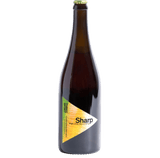 Found in Sharp
-

Why we love it:
One of Europe’s oldest cultivated spices, caraway has travelled through centuries of kitchens, apothecaries, and drinking rituals. You’ll find its aromatic seeds in breads, cheeses, spirits, and herbal infusions from Austria to Iceland. It’s often enjoyed after a meal as a digestif, bringing an earthy complexity and savoury edge that keeps unfolding, sip by sip.
Flavor: Aromatic anise and earthy pepper.Actives: CarvoneFunction: Digestion aidLatin name: Carum carviFound in Social
-

Why we love it:
Grown across Central and South America, cayenne shares its name with the capital city of French Guiana—though its roots trace back further still (7,000 years, in fact) to the indigenous Tupi people of Brazil. The Tupi used cayenne in their healing traditions: as a digestive aid, a circulatory stimulant, and a soothing salve for sore muscles and insect bites. And like we do today, they crushed these fiery peppers into a pungent powder to season food with a flash of heat and a jolt to the palate.
Flavor: Hot, fruity and spicy.Actives: CapsaicinFunction: Stimulates circulation and increases metabolismLatin name: Capsicum annuumFound in -

Why we love it:
A small, woody shrub that blossoms across sun-drenched landscapes from southern Texas to South America, damiana has woven its way through herbal history. Mexican folklore finds it in the very first margaritas, while hopeful romantics have depended on damiana for their love potions. Today, it's found in herbal teas and smoking blends, where it's thought to have a calming effect. With fragrant leaves and a spicy aroma, it's no wonder it’s earned a reputation for intimacy, confidence, and connection.
Flavor: Zingy and floral, with a heady herbal spice.Actives: ApigeninFunction: Some say it can leave you feeling pretty goddamn frisky... you tell usLatin name: Turnera diffusaExtraction method: Aqueous extractionFound in Social
-

Why we love it:
Native to Southeast Asia, ginger was one of the first plants cultivated by humans. Its unmistakable warmth has rippled across continents and centuries, finding its way into culinary, medicinal, and cultural traditions around the world. Sailors carried it on long voyages as a steadying remedy for the stomach and a protective charm for their ships—which, by the first century AD, had reached India, the Middle East, and the Mediterranean. And famously, it’s prized in Ayurvedic and Chinese medicine for its role in supporting digestion and circulation. A root with a restorative spirit, and a rewarding burn.
Flavor: Lively, hot and green.Actives: Gingerol, Zingerone, ShogaolFunction: Metabolic booster that primes you for a big nightLatin name: Zingiber officinale -

Why we love it:
First used in 3000 BC as a medicinal remedy under the Shennong and Shang dynasties, green tea has since evolved into a social and cultural ritual across China, Japan (where it’s the basis of the famous tea ceremony), and the rest of the world. Rich in L-theanine, a calming amino acid that tempers caffeine for a clean, focused lift.
Flavor: Grassy, umami, brothy, marine.Actives: L-TheanineFunction: Both energising and calming for the body, improves focus, boosts brain function and relaxes the mindLatin name: Camellia sinensisFound in Social
-

Why we love it:
A tropical leaf native to Central America that’s steeped in teas, warm baths, and herbal infusions the world over to settle the stomach, ease inflammation, and strengthen immunity. Rich in potassium, vitamins C and A, and high in tannins, guava leaf is a trusty stabiliser for whatever the day, or night, sends your way.
Flavor: Fresh-cut grass, mild bitterness, and faint traces of tropical fruit.Actives: PolyphenolsFunction: Antioxidant, anti-inflammatory and anti-bacterial. Lowers blood sugar levels and nurtures heart healthLatin name: Psidium guajavaExtraction method: Aqueous extraction -

Why we love it:
They say that once you taste Guayusa, the Ecuadorian jungle never leaves you. This little-known holly leaf, or “watchman’s plant”, is the Kichwa people's answer to tea, drunk around campfires at sunrise to deepen dream recall, sharpen the senses, and steady the mind before a long day of hunting. Today, it's also a driving force in Amazonian reforestation. A calm, contemplative stimulant for slow-release energy and jitter-free clarity.
Flavor: Smooth, earthy and honeyed, with a grassy, fresh-hay aroma.Actives: Caffeine, chlorogenic acids, rutinFunction: Awakens the mind, body, and desire to partyLatin name: Ilex guayusaFound in -

Why we love it:
Grown across the tropics, hibiscus (or rose mallow, as it's sometimes known) has history. In West Africa, it's brewed into deep, ruby-red teas thought to support circulation. Intense and beautiful, it's a fitting flower for Kali, the fierce Hindu goddess of time, destruction, and transformation. While in Hawaii, women wear the flower behind either the right or left ear to signal whether they're single or taken. Rich in anthocyanins (antioxidant-rich pigments), it brings vibrant colour, bright acidity, and a lively lift to every sip.
Flavor: Tart, tannic and zingy.Actives: AnthocyaninsFunction: Traditionally used for circulatory health and kidney healingLatin name: Hibiscus sabdariffa -

Why we love it:
Koseret is traditionally taken as tea to fight off flu and is a staple of Ethiopian cuisine, especially in celebratory meals.
Flavor: Minty, herbal flavour with hints of sweet basil and oreganoActives: PolyphenolsFunction: AntimicrobialLatin name: Lippia abyssinicaExtraction method: Aqueous extractionFound in Sharp
-

Why we love it:
A member of the mint family with a citrus perfume, you can find lemon balm scenting Roman gardens, herbal apothecaries and Tudor homes across the centuries. Its name, melissa, comes from the ancient Greek word for honey bee—a nod to its fragrant leaves, which draw curious pollinators. Traditionally brewed into teas, tonics, and aromatic infusions, it became beloved for its uplifting, restorative character. A botanical for moments of softness and renewal.
Flavor: Fresh lemon zest, soft herbs, and delicate mint.Actives: Rosemarinic acid, caffeic acids, chlorogenic acid, metrilic acid, flavonoidsFunction: Reduces anxiety and provides calmLatin name: Melissa officinalisExtraction method: Aqueous extractionFound in Nightcap
-

Why we love it:
With intricate spines cascading from ancient hardwood trees, lion's mane is one of nature's most otherworldly mushrooms. Long used in traditional Chinese medicine, it's now the focus of modern research—studied for unique compounds, including hericenones and erinacines, which are thought to play a role in cognitive function. It's also a rare culinary delicacy: creamy in texture, rich in character.
Flavor: Creamy umami with notes of milk chocolate.Actives: Beta triketones, sesquiterpenesFunction: Antimicrobial, antifungal, anti-inflammatory, anxiolytic.Latin name: Leptospermum scopariumExtraction method: Aqueous extractionFound in Social
-

Why we love it:
Long before confectionery claimed it, liquorice root was treasured in traditional medicine. Ancient Chinese texts recommend it for treating toxins and aches, Roman soldiers chewed it to quench thirst and build stamina on long marches, and in 17th-century England it took the form of throat lozenges known as Pontefract cakes. Woody and subtly sweet, it’s a natural after-dinner digestif.
Flavor: Sweet, woody, anise and complex.Actives: Glycyrrhizic acidFunction: Soothes gastrointestinal proLatin name: Glycyrrhiza glabraFound in Nightcap
-

Why we love it:
The plant is antimicrobial, antifungal, anti-inflammatory, anxiolytic (reduces anxiety), spasmolytic, astringent and sedative, among other things.
Flavor: A subtle, honeyed pine-like flavour and aromaActives: Beta triketones, sesquiterpenesFunction: Antimicrobial, antifungal, anti-inflammatory, anxiolyticLatin name: Leptospermum scopariumExtraction method: Aqueous extractionFound in Sharp
-

Why we love it:
Long before maple syrup arrived on breakfast tables, indigenous peoples of North America tapped maple trees every spring, transforming the sap into precious syrup and sugar. We use late-season sap for its darker, more robust character, which brings richness, body, and a slow, lingering sweetness.
Flavor: Dark caramel, toasted wood, and warming spice.Actives: SucroseFunction: Provides antioxidants and nutrients that protect the body from free radicalsLatin name: Acer SaccharumFound in Nightcap
-

Why we love it:
Part of the cannabis family, hops have been the cornerstone of brewing for centuries. But their story winds all the way back to medieval herbalism, where they were prized as much for their calming qualities as their bitter flavor (a pillow filled with hops was a popular folk remedy for insomnia). Mosaic is a modern variety, found in IPAs and pale ales, layering tropical fruit and citrus over that signature resinous taste.
Flavor: Resin, grapefruit, and bittersweet herbs.Actives: Multiple terpenesFunction: Promoting calm and relaxation and anxiety reductionLatin name: Humulus lupulusExtraction method: CO2 extractionFound in Nightcap
-

Why we love it:
Ginseng's Chinese name, rénshēn, means "man root" — a nod to its forked, fleshy roots, which bear an uncanny resemblance to the human body. For over 2,000 years, this likeness was taken as a sign of its power to heal the whole body, echoed in its genus name “Panax” from the Greek "panacea". In Chinese and Korean medicine, ginseng is exactly that: a cure-all tonic. A classic adaptogen, long valued for restoring the spirit, igniting the senses, and strengthening natural defences.
Flavor: A woodsy root, a bitter edge, and a gently sweet aftertaste.Actives: GinsenosidesFunction: Revered for rejuvenating cognition, regulating cell damage and powering performance. Flavours: Bittersweet, aromaticLatin name: Panax ginseng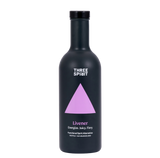 Found in Livener
-

Why we love it:
Despite its dramatic blooms, passionflower has long been associated with stillness rather than spectacle. Not just an ornamental beauty, its leaves and flowers have a rich history of use in Native American herbal traditions, where they were steeped into sleepy teas. It’s also a main ingredient in “prairiehuasca”, a North American analogue of ayahuasca that draws on local plants for ceremonial use. Rich in naturally occurring flavonoids, passionflower is used in calming infusions and night-time rituals around the world. A flower that invites you to soften your edges.
Flavor: Delicate florals with gentle herbal bitterness.Actives: Apigenin, Chrysin, VitexinFunction: Reduces stress and relaxes the body and mindLatin name: Passiflora incarnataFound in Social
-

Why we love it:
From ancient Persia to the myth of Persephone, the pomegranate is a symbol of fertility, abundance, rebirth, and eternal life. Its jewel-like seeds have been a fixture of feasts and remedies across the Middle East and Mediterranean for millennia—treasured for their role in immunity, skin radiance, and digestion, thanks to polyphenols, B vitamins, and vitamin C. Reduced slowly into molasses, all that history concentrates into something rich, tangy, and deep.
Flavor: Syrupy and dark with a sweet-and-sour punch.Actives: Polyphenols, B vitamins and Vitamin CFunction: Boosts the immune system, skin radiance and digestionLatin name: Punica granatumFound in Livener
-

Why we love it:
A rare, bright-red berry with a long history. First recorded in the classical herbal text Shennong Bencaojing (25–220 AD), schisandra is known in Chinese medicine as the "five-flavor fruit". Each flavor—sweet, sour, salty, spicy, bitter—maps onto a major organ: liver, lungs, heart, kidney, spleen. Nanai hunters in the Russian Far East gathered these berries in the wild to soften hunger, reduce fatigue and build endurance. A discovery Soviet scientists validated in the 1960s, giving schisandra official adaptogen status for its dual invigorating and calming effects.
Flavor: Red-berry sherbet. Full of surprises.Actives: SchisandrinsFunction: Modulates the effects of stress and invigorates the bodyLatin name: Schisandra chinensisExtraction method: Aqueous extractionFound in -

Why we love it:
Not actually a pepper at all, but the dried berry of a citrus tree, Sichuan pepper has electrified Chinese cuisine for centuries with its exhilarating tingling sensation. That signature buzz comes from naturally occurring sanshools—which have also been studied for potential pain-relieving, antioxidant, and anti-inflammatory properties.
Flavor: Bright and citrusy with a mouth-numbing tingle.Actives: SanshoolFunction: Stimulates circulation and mood-boosting hormonesLatin name: Zanthoxylum piperitumFound in Nightcap
-

Why we love it:
A pillar of Ayurvedic medicine, turmeric’s glowing golden hue has permeated food, clothing, and ceremonies across the centuries. Rich in curcumin, it’s brewed into teas, warm milk, and traditional remedies from India to Jamaica, valued for its warming, restorative and soothing qualities. A radiant root with centuries of wisdom behind it.
Flavor: Earthy and zesty, with notes of pepper and mustard.Actives: CurcuminFunction: Revitalises, fights pain and counteracts imbalanceLatin name: Curcuma LongaFound in Nightcap
-

Why we love it:
Native to Iceland, Portugal, Scandinavia, Russia, and Iran, valerian grows wild across meadows, woodlands, and marshes. A humble flower with a pungent, woody aroma and powerful roots, it’s been a fixture of herbal remedies for rest and relaxation since ancient Greece and Rome.
Flavor: Earthy and musky, with hints of caramel.Actives: Valerenic acid, iridoidsFunction: Relaxes and de-stressesLatin name: Valeriana officinalisExtraction method: Aqueous extractionFound in Nightcap
-

Why we love it:
Watermelon's story stretches back to the deserts of Northeast Africa, where travellers relied on wild varieties to quench their thirst when crossing arid terrain. Ancient Egyptians even placed watermelons in tombs (including Tutankhamun's) to keep the dead well-hydrated on their long journey to the afterlife. This reviving fruit has been prized ever since and also brings L-citrulline to the mix: an amino acid long studied for its role in circulation and energy. A refreshing companion for hot days, and vibrant nights.
Flavor: Juicy, crisp, fresh.Actives: L-citrullineFunction: Improves circulation and increases access to energy reserves in fast-twitch muscle fibresLatin name: Citrullus lanatusFound in Livener